
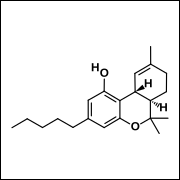
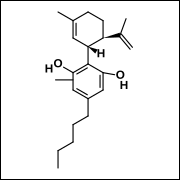
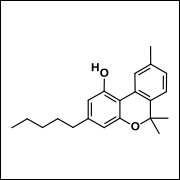
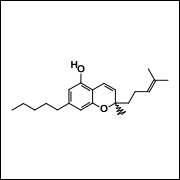
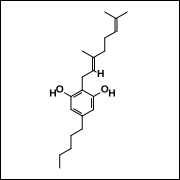
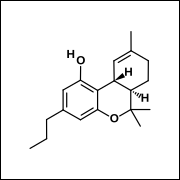
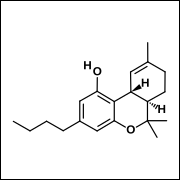
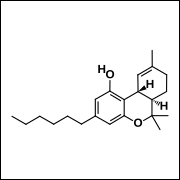
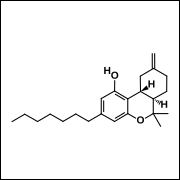
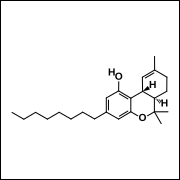
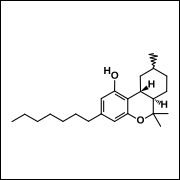
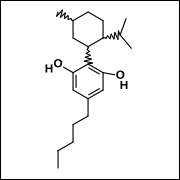
THCV, or tetrahydrocannabivarin, is a naturally occurring cannabinoid that is structurally similar to Δ9 THC, but differs in one key aspect at the molecular level. While Δ9 THC contains a pentyl side chain with five carbon atoms, THCV features a shorter propyl side chain consisting of three carbons. This C3 structure significantly alters how the molecule interacts with the endocannabinoid system, particularly in its binding behavior with CB1 and CB2 receptors, resulting in a distinct functional profile compared to traditional THC.
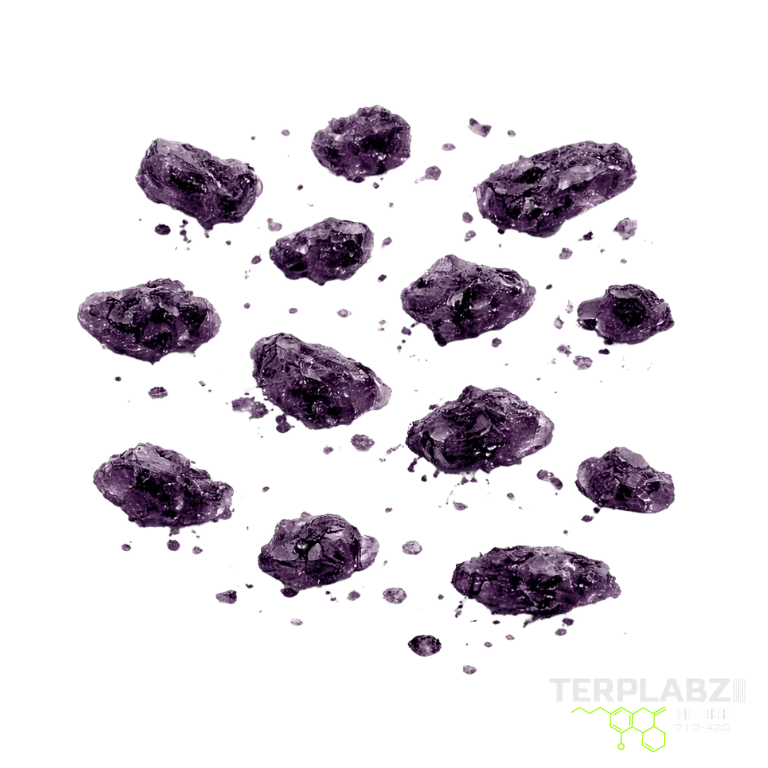
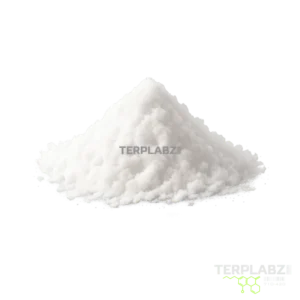
In its current state, this material appears as dark purple crystallized isolate. These are not mineral-like crystals, but rather partially crystallized cannabinoid structures formed during the cooling and stabilization of the compound. The fragments are irregular in shape, with a natural, broken appearance that reflects their origin as solidified isolate rather than lab-grown crystal formations. Some pieces appear more glass-like and dense, while others are slightly more matte or semi-opaque. Subtle internal inconsistencies such as microbubbles and density variations can be observed throughout, reinforcing the authenticity of the material.
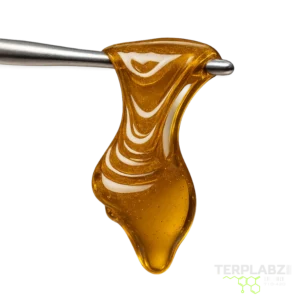
When gently heated to approximately 65 to 75 degrees Celsius, the crystallized structure transitions into a smooth, homogeneous liquid. At this point, the material becomes a clear to golden isolate melt, indicating a clean phase change and a high level of refinement. This behavior is characteristic of well-processed cannabinoid isolates and confirms the absence of significant impurities or unwanted residual compounds.
The deep purple coloration is not typical for pure cannabinoids in isolation and is generally the result of minor compound interactions, oxidation states, or trace elements present during the crystallization phase. Rather than indicating impurity, it reflects the specific conditions under which the material was formed and stabilized.
THCV is commonly associated with a more alert and stimulating profile compared to Δ9 THC. It is often described as clearer, more functional, and less sedating, with a shorter and more controlled duration of effect. This difference is directly linked to its molecular structure and receptor interaction, making it a compound of increasing interest in advanced cannabinoid research and formulation.
| THCV | 95-99% |
|---|
Reviews
There are no reviews yet.