LIFE'S GOOD WITH THE RIGHT TERPS LIFE'S GOOD WITH THE RIGHT TERPS LIFE'S GOOD WITH THE RIGHT TERPS LIFE'S GOOD WITH THE RIGHT TERPS

THCJD distillate

Price range: 59,95 € through 349,95 €

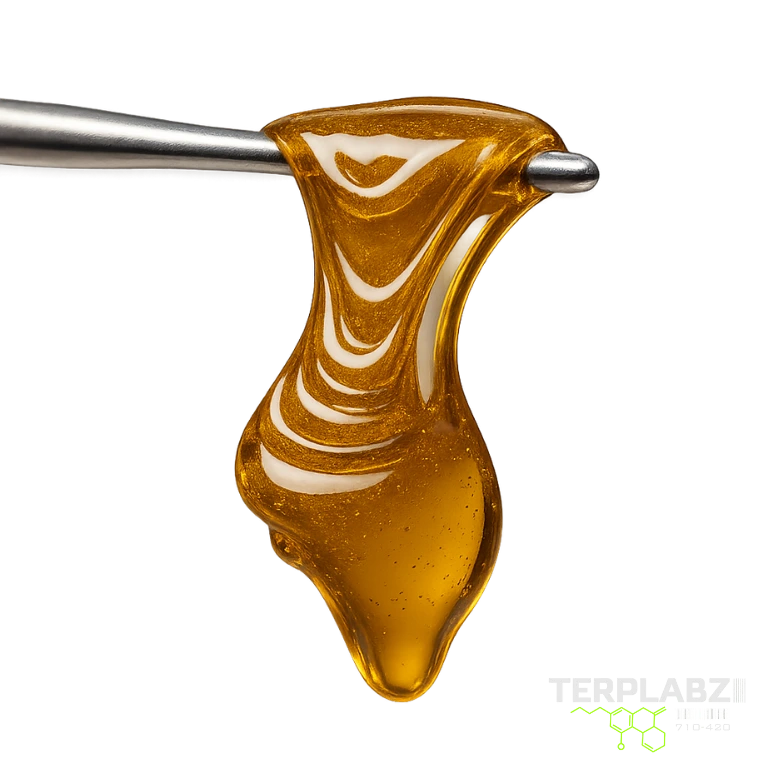
This THCJD distillate is for advanced users and formulators who demand one of the most potent hemp derived cannabinoids available. It is not suitable for beginners. THCJD delivers an experience that can vastly exceed traditional THC in both intensity and duration. Handle with precision.

-Team TERPLABZ

THCJD distillate

Price range: 59,95 € through 349,95 €

THCJD

94,686%

Δ9

0,0%

This section provides a general overview of the cannabinoids and terpene types in our library, including their effects, structure and origin.
Δ9 THC

Δ9 THC is the primary naturally occurring psychoactive cannabinoid found in cannabis and is responsible for the characteristic “high” associated with the plant. Users commonly report feelings of euphoria, enhanced sensory perception, relaxation and changes in mood or appetite. Because it occurs naturally in cannabis and interacts strongly with cannabinoid receptors, Δ9 THC is generally considered the most effective naturally occurring psychoactive cannabinoid in the plant. In both recreational and medical contexts Δ9 THC is frequently used for pain relief, appetite stimulation, nausea reduction and muscle relaxation.

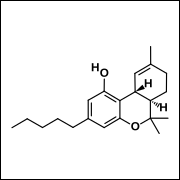
Δ9 THC has the molecular formula C₂₁H₃₀O₂ and occurs naturally in cannabis plants as THCA, which converts into active Δ9 THC through decarboxylation when heated. Within the endocannabinoid system Δ9 THC acts primarily as a partial agonist of CB1 receptors in the brain and nervous system, with weaker activity at CB2 receptors in the immune system. This interaction with CB1 receptors is largely responsible for its psychoactive and therapeutic effects.

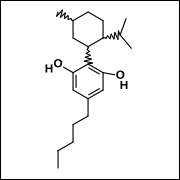
Delta 9 THC molecular structure
CBD

CBD is a non-intoxicating natural cannabinoid commonly associated with calming and balancing effects. Unlike Δ9 THC it does not produce a “high”. Many people use CBD for relaxation, pain relief and to reduce inflammation or anxiety. It is widely used in wellness products and medical cannabis formulations because it can support the body without causing intoxication.

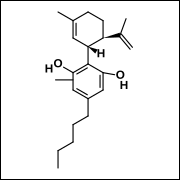
CBD has the molecular formula C₂₁H₃₀O₂ and occurs naturally in cannabis plants. Within the endocannabinoid system CBD shows low binding affinity for CB1 receptors and instead influences several signaling pathways that can modify how cannabinoids interact with CB1 and CB2 receptors.

CBD molecular structure
CBN

CBN is a mildly psychoactive natural cannabinoid commonly associated with relaxing and sedating effects. It is often linked to physical calmness and is frequently used in formulations aimed at promoting rest and sleep support. Compared to Δ9 THC its psychoactive effect is much weaker, but many users report that CBN contributes to a heavier body relaxation and a more calming overall experience.

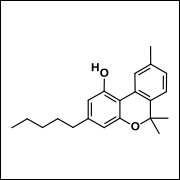
CBN has the molecular formula C₂₁H₂₆O₂ and is formed naturally through the oxidation and degradation of Δ9 THC over time. As cannabis ages or is exposed to heat and oxygen, a portion of THC gradually converts into CBN. Within the endocannabinoid system CBN shows moderate affinity for CB2 receptors and weaker activity at CB1 receptors, which contributes to its mild psychoactive properties and its commonly reported relaxing effects.

CBN molecular structure
CBC

CBC is a non-intoxicating natural cannabinoid commonly associated with mood support and subtle physical relaxation. Although it does not produce a psychoactive “high”, it is believed to contribute to the overall entourage effect of cannabis by working together with other cannabinoids. Users often describe CBC as adding smoothness to a formulation while supporting a balanced and uplifting effect profile.

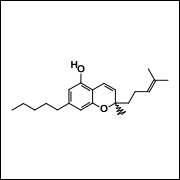
CBC has the molecular formula C₂₁H₃₀O₂ and occurs naturally in cannabis plants alongside cannabinoids such as THC and CBD. Within the endocannabinoid system CBC shows very low affinity for CB1 receptors but acts more strongly at CB2 receptors. It also activates TRP channels, particularly TRPA1 and TRPV1, which are involved in pain signaling and inflammatory responses. Through these natural mechanisms CBC is commonly associated with anti-inflammatory effects and contributes to the broader entourage effect of cannabinoid formulations.

CBC molecular structure
CBG

CBG is a non-intoxicating natural cannabinoid often associated with mental clarity, focus and mild physical relaxation. Unlike Δ9 THC it does not produce a psychoactive “high”. Many users describe CBG as having a more stimulating and clear-headed effect compared to other cannabinoids, which is why it is sometimes used in formulations intended to support daytime use, focus or cognitive balance.

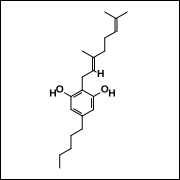
CBG has the molecular formula C₂₁H₃₂O₂ and occurs naturally in cannabis plants in smaller amounts compared to cannabinoids such as THC and CBD. Within the endocannabinoid system CBG interacts with both CB1 and CB2 receptors, acting as a partial agonist with relatively moderate affinity. In addition to cannabinoid receptors, CBG also interacts with several TRP channels involved in pain and sensory signaling, which contributes to its commonly reported effects on inflammation and physical discomfort.

CBG molecular structure
THCV

THCV is a natural cannabinoid structurally related to Δ9 THC but with a noticeably different effect profile. At lower doses THCV is generally described as non-intoxicating and associated with increased mental clarity and focus. At higher doses it can produce mild psychoactive effects, often described as shorter in duration and more stimulating than the effects of Δ9 THC. Because of this profile, THCV is sometimes associated with energetic or daytime oriented cannabis experiences.

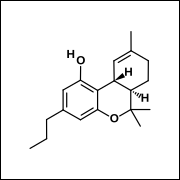
THCV has the molecular formula C₁₉H₂₆O₂ and occurs naturally in certain cannabis varieties, particularly African landrace strains. Its molecular structure is very similar to Δ9 THC, but it contains a 3-carbon side chain rather than the 5-carbon side chain found in Δ9 THC. This shorter side chain reduces its ability to activate CB1 receptors, which helps explain its milder and often more stimulating effect profile.

THCV molecular structure
THCB

THCB is a cannabinoid structurally related to Δ9 THC and produces psychoactive effects similar to traditional THC. Users often describe its effects as comparable to Δ9 THC, including euphoria, relaxation and changes in sensory perception. Because of its structural similarity to THC, THCB is considered part of the same family of psychoactive cannabinoids. Based on current research and receptor binding studies, THCB is estimated to produce psychoactive effects comparable to or slightly stronger than Δ9 THC, often described as around 1 to 1.5 times the potency of Δ9 THC.

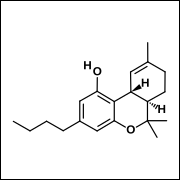
THCB has the molecular formula C₂₀H₂₈O₂ and is a structural homolog of Δ9 THC. While Δ9 THC contains a 5-carbon side chain, THCB contains a 4-carbon side chain. This slight structural variation changes how the molecule interacts with CB1 receptors within the endocannabinoid system, producing psychoactive effects that are broadly similar to Δ9 THC.

THCB molecular structure
THCH

THCH is a cannabinoid structurally related to Δ9 THC and belongs to the same family of psychoactive THC analogs. Users often describe its effects as similar to traditional THC, including euphoria, relaxation and altered sensory perception. Because of its stronger interaction with cannabinoid receptors, THCH is generally considered more potent than Δ9 THC, often estimated to produce roughly 2 to 3 times the psychoactive strength of Δ9 THC.

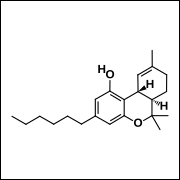
THCH has the molecular formula C₂₂H₃₂O₂ and is a structural homolog of Δ9 THC. While Δ9 THC contains a 5-carbon side chain, THCH contains a 6-carbon side chain. This longer carbon chain increases its ability to activate CB1 receptors within the endocannabinoid system, which helps explain its stronger psychoactive activity compared to Δ9 THC.

THCH molecular structure
THCP

THCP is a natural cannabinoid that was discovered in cannabis in 2019 and belongs to the same family of psychoactive cannabinoids as Δ9 THC. Its effects are generally described as similar to Δ9 THC, including euphoria, relaxation and altered sensory perception. However, because of its stronger interaction with cannabinoid receptors, THCP is considered significantly more potent than Δ9 THC. Based on receptor binding studies, THCP is often described as producing psychoactive effects that may be around 5 to 10 times stronger than Δ9 THC.

THCP has the molecular formula C₂₃H₃₄O₂ and occurs naturally in cannabis plants in extremely small concentrations. While Δ9 THC contains a 5-carbon side chain, THCP contains a 7-carbon side chain. This longer carbon chain significantly increases its binding affinity for CB1 receptors in the endocannabinoid system, which explains its much stronger pharmacological activity compared to Δ9 THC.

THCP molecular structure
THCJD

THCJD is a cannabinoid structurally related to Δ9 THC and belongs to the same family of psychoactive THC analogs. Users often describe its effects as broadly similar to traditional THC, including euphoria, relaxation and altered sensory perception. Because of its extended molecular structure, THCJD is generally considered more potent than Δ9 THC, and is often estimated to produce psychoactive effects several times stronger than Δ9 THC.

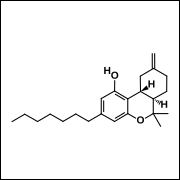
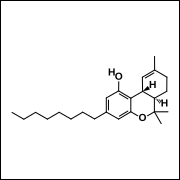
THCJD has the molecular formula C₂₄H₃₆O₂ and is a structural homolog of Δ9 THC. While Δ9 THC contains a 5-carbon side chain, THCJD contains an 8-carbon side chain. This longer carbon chain can increase its interaction with CB1 receptors in the endocannabinoid system, which is believed to contribute to its stronger cannabinoid receptor activity compared to Δ9 THC.

THCJD molecular structure
HHCP

HHCP is a cannabinoid structurally related to THCP and belongs to the same family of psychoactive THC analogs. Users often describe its effects as similar to traditional THC but significantly stronger and longer lasting. Because of its strong interaction with cannabinoid receptors, HHCP is considered a highly potent psychoactive cannabinoid, often estimated to produce effects ~10 times stronger than Δ9 THC.

HHCP has the molecular formula C₂₃H₃₆O₂ and is a hydrogenated analog of THCP. While THCP contains a 7-carbon side chain, HHCP retains this extended side chain but with a saturated molecular structure due to hydrogenation. This structure allows HHCP to interact strongly with CB1 receptors within the endocannabinoid system, contributing to its powerful psychoactive activity compared to Δ9 THC.

HHCP molecular structure
H4CBD

H4CBD is a cannabinoid derived from CBD through hydrogenation. Unlike traditional CBD, H4CBD can produce mild psychoactive effects, although these are significantly weaker than those of Δ9 THC. Users often describe its effects as relaxing and calming, with a gentle uplift in mood. It is commonly estimated to produce psychoactive effects at roughly 30% of the strength of Δ9 THC.

H4CBD has the molecular formula C₂₁H₃₄O₂ and is created by hydrogenating CBD, which adds hydrogen atoms to the molecule and changes its three-dimensional structure. This structural change increases its interaction with CB1 receptors compared to regular CBD, which normally has very low CB1 affinity. Because of this, H4CBD may produce mild psychoactive effects while potentially retaining some of the therapeutic properties commonly associated with CBD.

H4CBD molecular structure
Terpenes

Terpenes are aromatic compounds found throughout the plant kingdom and are responsible for the distinctive smell and flavor of cannabis. In cannabis plants they are produced in the same resin glands that create cannabinoids, which is why terpene profiles are closely associated with specific strains. In addition to influencing aroma and taste, terpenes are believed to play a role in the overall effect profile of cannabis through interactions with cannabinoids, a phenomenon commonly referred to as the entourage effect.

Botanically Derived Terpenes

Botanically derived terpenes are naturally extracted from non-cannabis plants such as citrus fruits, pine trees and herbs. Many of the same terpene molecules found in cannabis also occur in other plants, which allows them to be sourced from natural botanical materials. This also makes it possible to create new and more exotic flavor profiles that do not naturally occur in cannabis, such as brighter fruit-forward or tropical strain profiles, while maintaining consistent quality and purity.

Cannabis Derived Terpenes

Cannabis derived terpenes are extracted directly from cannabis plants. Because they originate from the same plant species, they preserve the natural terpene composition that occurs in cannabis flower. This can provide a more authentic aroma profile that closely resembles the scent of the original plant.

Live Resin Hemp Derived Terpenes

Live resin hemp derived terpenes are extracted from freshly harvested hemp plants that are frozen immediately after harvest. This process preserves delicate volatile compounds that are often lost during drying and curing. As a result, live resin terpene extracts typically deliver a stronger, richer and more complex flavor profile that more closely reflects the aroma of the living plant.

An extraordinarily potent THCJD distillate recognized for its extended molecular structure and profound receptor activity. With an 8-carbon alkyl side chain, three carbons longer than Δ9 THC, THCJD exhibits significantly enhanced binding affinity at CB1 receptors in the endocannabinoid system. This structural difference is believed to be the primary driver behind its amplified psychoactive potency, widely estimated at up to 10× the strength of Δ9 THC. Alongside THCP, THCJD stands as one of the most powerful THC homologues available, and many experienced users report that its effects surpass even THCP in perceived intensity.

Molecular Profile & Pharmacology

PropertyTHCJDΔ9 THC (reference)
Molecular FormulaC₂₄H₃₆O₂C₂₁H₃₀O₂
Side Chain Length8 carbons (octyl)5 carbons (pentyl)
Structural RelationshipHomologue of Δ9 THCBaseline standard
Estimated Potency vs Δ9 THC~10×1× (baseline)
Primary Receptor TargetCB1 (high affinity)CB1 (moderate affinity)
Secondary Receptor ActivityCB2 (low–moderate)CB2 (low)


CB1 Receptor Interaction:
The endocannabinoid system relies on two primary G-protein coupled receptors: CB1, concentrated in the central nervous system, and CB2, predominantly found in immune and peripheral tissues. THCJD functions as a CB1 agonist, activating the receptor and triggering downstream signaling cascades that reduce intracellular cAMP levels via Gi/o protein coupling. This modulation directly influences neurotransmitter release including dopamine, GABA, and glutamate, which underlies the compound’s pronounced psychoactive effects.

The extended 8-carbon alkyl side chain of THCJD is the critical structural feature. Research on cannabinoid structure-activity relationships has consistently demonstrated that increasing alkyl side chain length enhances lipophilicity and improves the molecule’s fit within the CB1 receptor binding pocket. This tighter molecular fit increases binding affinity and receptor residence time, translating to stronger agonist activity, more sustained receptor engagement, and ultimately a more intense and longer-lasting pharmacological effect compared to the 5-carbon side chain of Δ9 THC.

Broader ECS Influence: Beyond direct CB1 activation, THCJD may indirectly affect other endocannabinoid system components:

  • Enzyme interaction: Potential inhibition of FAAH and/or MAGL enzymes, which could elevate endogenous anandamide and 2-AG levels, amplifying overall ECS signaling
  • Receptor cross-talk: Some THC analogues interact with auxiliary targets including TRPV1 channels (pain perception and thermoregulation) and potentially 5-HT1A serotonin receptors (mood regulation)
  • Desensitization dynamics: Sustained CB1 activation by high-affinity agonists like THCJD may accelerate receptor desensitization and downregulation, meaning tolerance can develop more rapidly than with conventional THC products

Physical Characteristics

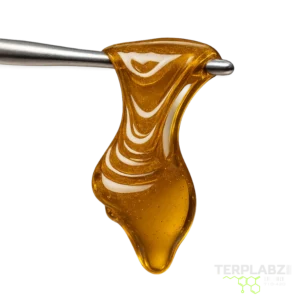
THCJD distillate has a thick, resinous consistency with a glossy, glass-like surface at room temperature. Like other high potency distillates in this class, it requires gentle warming before handling. The color ranges from deep amber to warm honey gold, depending on batch refinement. Aroma is minimal and relatively neutral, giving formulators full control when introducing terpenes or layering with complementary cannabinoids. THCJD is a stable compound when properly protected from heat, air, and light, and it blends smoothly with most distillates once brought to a workable viscosity.

Effects & Applications

Users consistently describe THCJD’s effects as a heightened version of the classic THC experience: intensified euphoria, deep physical relaxation, and altered sensory perception, but with a notably heavier body load and extended duration. The onset is often reported as gradual, building over the first 30–60 minutes before settling into a powerful, enveloping full-body effect that can last considerably longer than conventional THC products. Many experienced consumers characterize the mental shift as more immersive and sedating than Δ9 THC, with a strong couch-lock tendency at higher doses.

Because of its exceptional potency, THCJD is used in very small percentages within professional formulations. It excels at elevating a blend’s overall intensity without significantly increasing volume, making it ideal for:

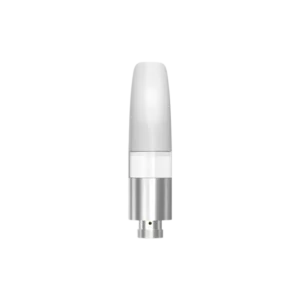
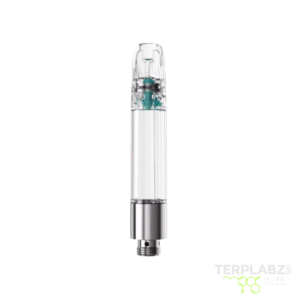
  • Premium vape cartridges where maximum potency per puff is desired
  • Night-time and deep-relaxation formulations targeting sleep support and tension relief
  • Moonrock coatings and infused flower applications
  • Custom high-impact distillate blends for experienced consumers
  • Synergistic stacking with THCP, HHCP, or other heavy cannabinoids for next-generation entourage formulations

A small fraction of THCJD can fundamentally alter the character of a blend, pushing both intensity and depth well beyond what standard THC concentrations can achieve.

How to Use

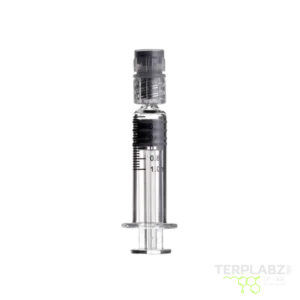
Warm the distillate gently in a sealed container using a warm water bath or precision heating pad until it reaches a workable consistency. Never expose it to open flame or excessive heat, as this can degrade the active compound and compromise stability. Use a borosilicate luer lock syringe for clean, precise transfer and dosing.

When formulating, measure extremely small quantities. THCJD’s potency means that even slight overaddition can overpower an entire blend. Mix thoroughly and homogeneously once incorporated. For personal use, start with minimal amounts and allow ample time for full onset before considering additional dosing.

Store the distillate in an airtight, light-resistant container in a cool environment to preserve cannabinoid integrity and maximize shelf life.


Important Notes

Intended for experienced consumers only. THCJD is significantly more potent than Δ9 THC. Not suitable for beginners or users unfamiliar with high-potency cannabinoid extracts.

Start low, go slow. Allow full onset time before redosing. Effects may last longer than conventional THC products.

THCJD

94,686%

Δ9

0,0%

Reviews

There are no reviews yet.

Be the first to review “THCJD distillate”

Your email address will not be published. Required fields are marked *